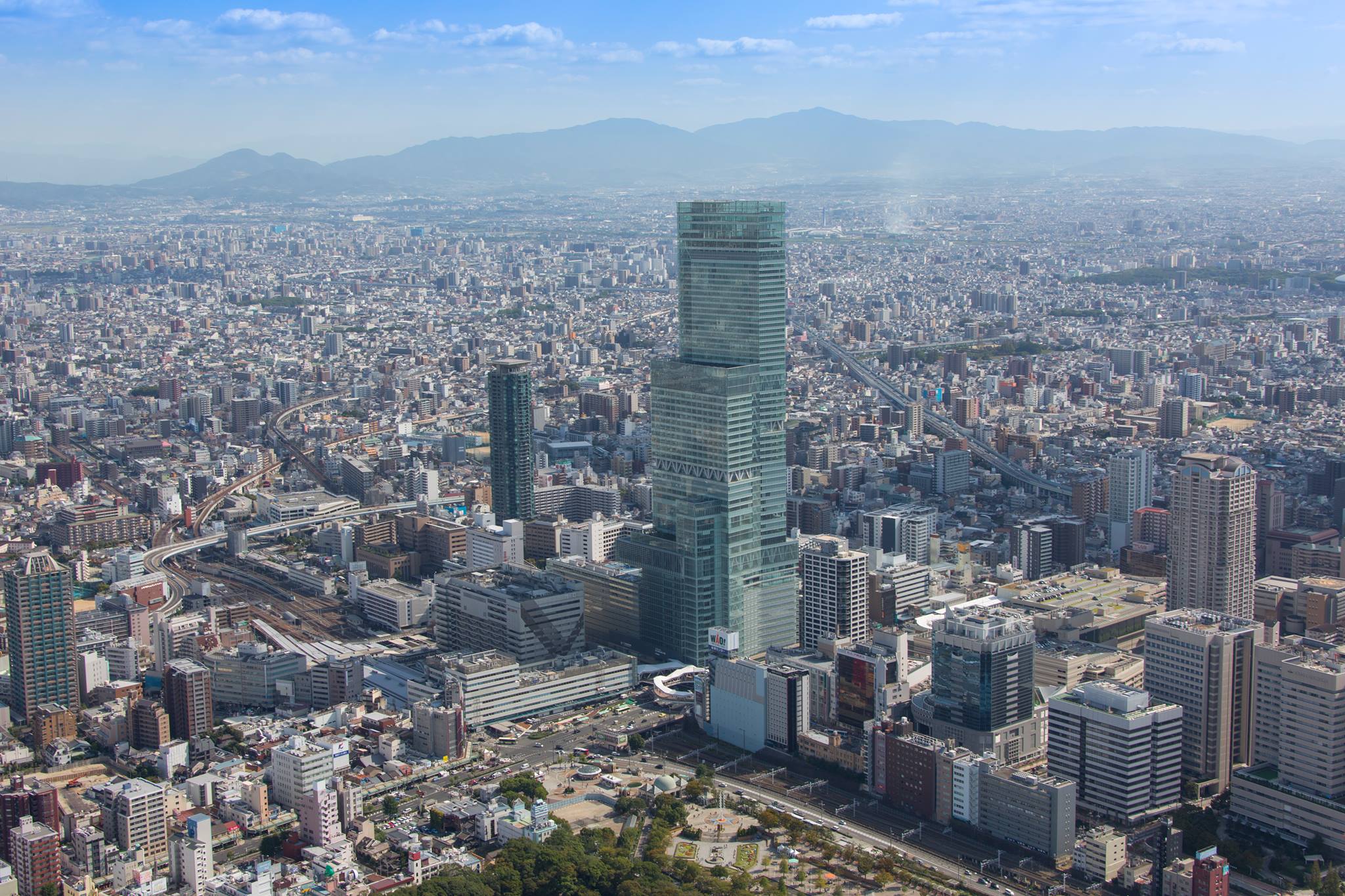
“Harukas” is an old Japanese expressino meaning “to brighten, to clear up.” As its namesake suggests, ABENO HARUKAS embodies the exhilation of clear, sweeping views fo Osaka from its top floor 300 meters in the air. The complex’s wide array of faciliteis and amenities answer every need, promising every visitor a relaxing time in a bright, comforatble environment. ABENO HARUKAS is the future of multifunctional urban space in the sky.
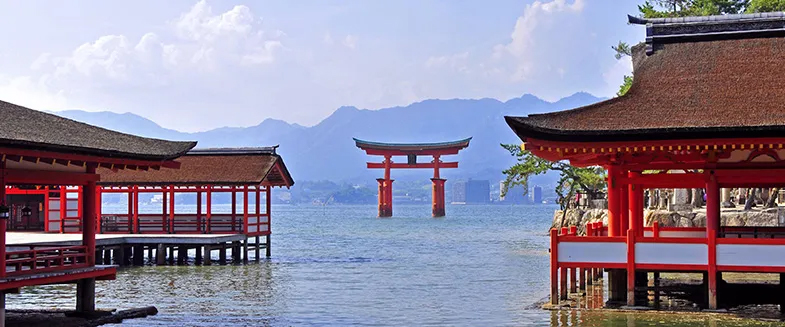
The beauty that comes from the belief that this island is where God lives
Miyajima is thought to be the island where God lives. It is said that Itsukushima Shrine is built on the coast because the entire island is considered the body of God and is sanctified.
Itsukushima Shrine was built at the end of the 6th century and modified to become the current building with its solemn appearance by Kiyomori Taira, who first came to power as a warrior in 1168. It is located in the sea and has a bold structure as its shape changes with the rising and falling tide. In addition, the landscape combined with the vermillion lacquered shrine building, the green virgin forest at the back, and the blue sea duly sumbolizes the Japanese sense of beauty. The beauty of the landscapes continues to attract visitors.
*taken from Dive Hiroshima The Official Guide to Hiroshima
Earliest JR ferry leaves Miyajima-guchi (Hiroshima mainland) at 6:25 am and leaves Miyajima (island) at 10:14 pm
*times are subject to change so please check with JR before making arrangements
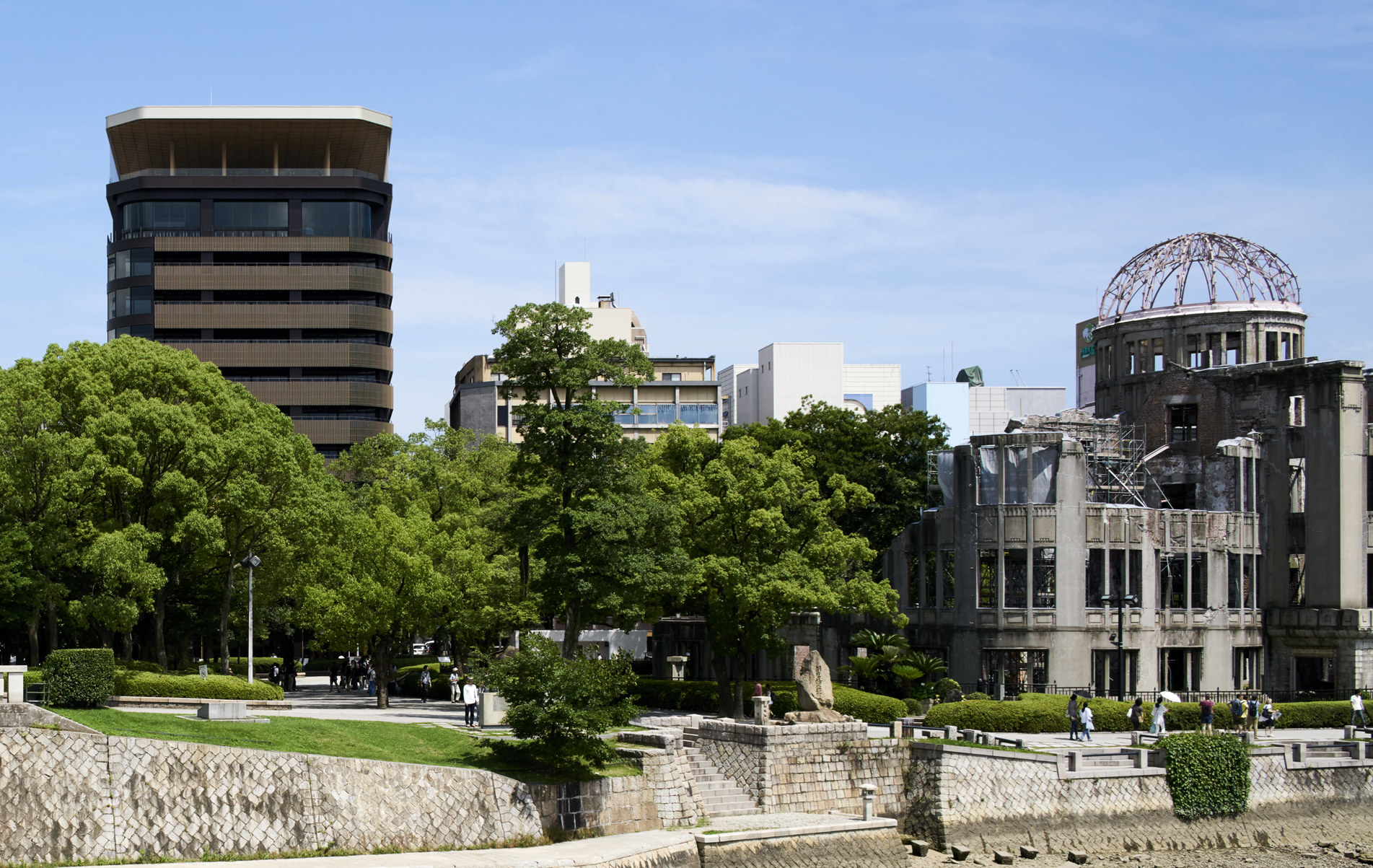
Located on the east side of the world heritage site “Atomic Bomb Dome,” you can feel the wish and weight of peace through the changes in the current cityscape before and after the bombing. From the observation space on the wooden deck, you can see the two World Heritage Sites of Hiroshima at the same time, from the Peace Memorial Park and the Atomic Bomb Dome to Misen on Miyajima on a clear day. In addition, you can put the origami folded with the origami paper for the Orizuru Tower into the “Orizuru Wall” which is the symbol of the Orizuru Tower. Let’s participate in the “Orizuru Wall” that is completed by accumulating the thoughts and prayers for peace gathered from all over the world. There is also a product hall with locally loved souveniers and a cafe where you can taste the ingredients of Hiroshima, so it is ideal for a break.
*taken from Dive Hiroshima Official Guide to Hiroshima website
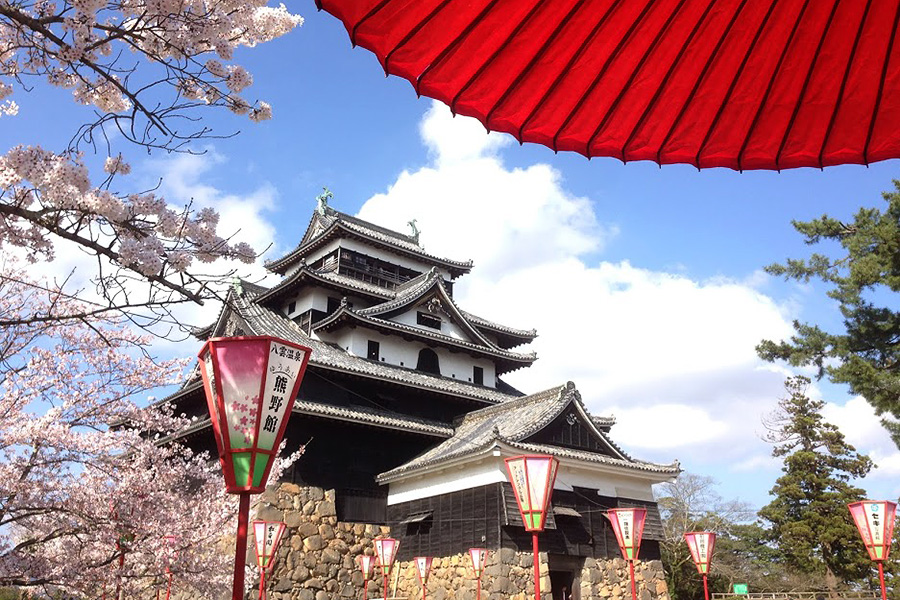
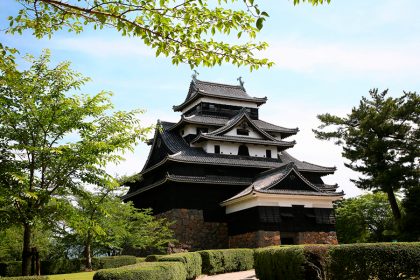
Remnant from samurai times and one of only five Japanese keeps designated as a national treasure
Constructed over a period of 5 years from 1607 to 1611 by Yoshiharu Horio, a feudal lord and founder of Matsue. Currently it is one of the only 12 remaining original castles in Japan and the only one in the San’in region. It was designated as a National Treasure in 2015. The elegance of the castle’s swooping roofs and decor is often compared to the wings of a ‘chidori’ (plover bird) which has led to the castle’s nickname,’Chidori-jo’ (Plover Castle). The castle features an architectural design specifically chosen for battle, but retains a grand majestic appearance.
島根県松江市殿町1-5 : 1-5 Tonomachi, Matsue City, Shimane Prefecture
Tel. No.
0852-21-4030
Operating Hours
【When the Honmaru gates open】
[April to September] 08:00 to 18:30
[October to March] 08:00 to 17:00
【Castle tower entry】
[April to September] 08:30 to 18:00 (Reception is until 17:30)
[October to March] 08:30 to 17:00 (Reception is until 16:30)
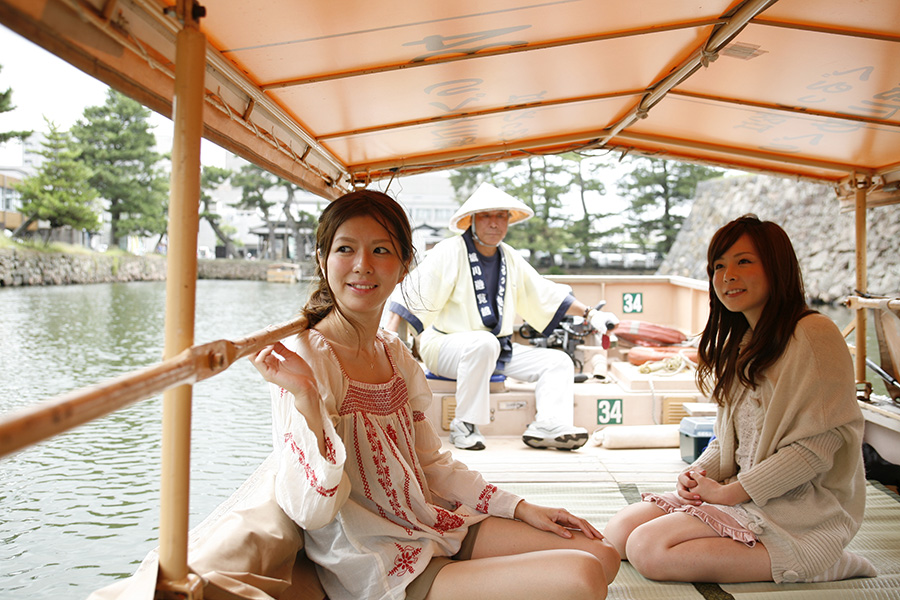
Boat ride through Matsue's waterways and castle moat
This small passenger boat will take you through the history, nature and people of Matsue. The moats surrounding Matsue Castle (National Treasure) remain unchanged from when it was first constructed over 400 years ago. This 50 min sightseeing boat guides you along the moats through the historical Japanese-scape of the Matsue castle, the places related to Lafcadio Hearn, forests which have been there 400 years since the construction of the castle, charming changes of seasons and the beauty of moats itself.
[March 1 to June 30] 09:00 to 17:00
[July 1 to August 15] 09:00 to 18:00
[August 16 to October 10] 09:00 to 17:00
[October 11 to November 30] 09:00 to 16:00
[December 1 to February 28] 09:00 to 16:00
*Departs every 20 minutes from March 1 to November 30, and every 30 minutes from December 1 to February 28
Closing days
None (may be closed in stormy weather or to change courses)
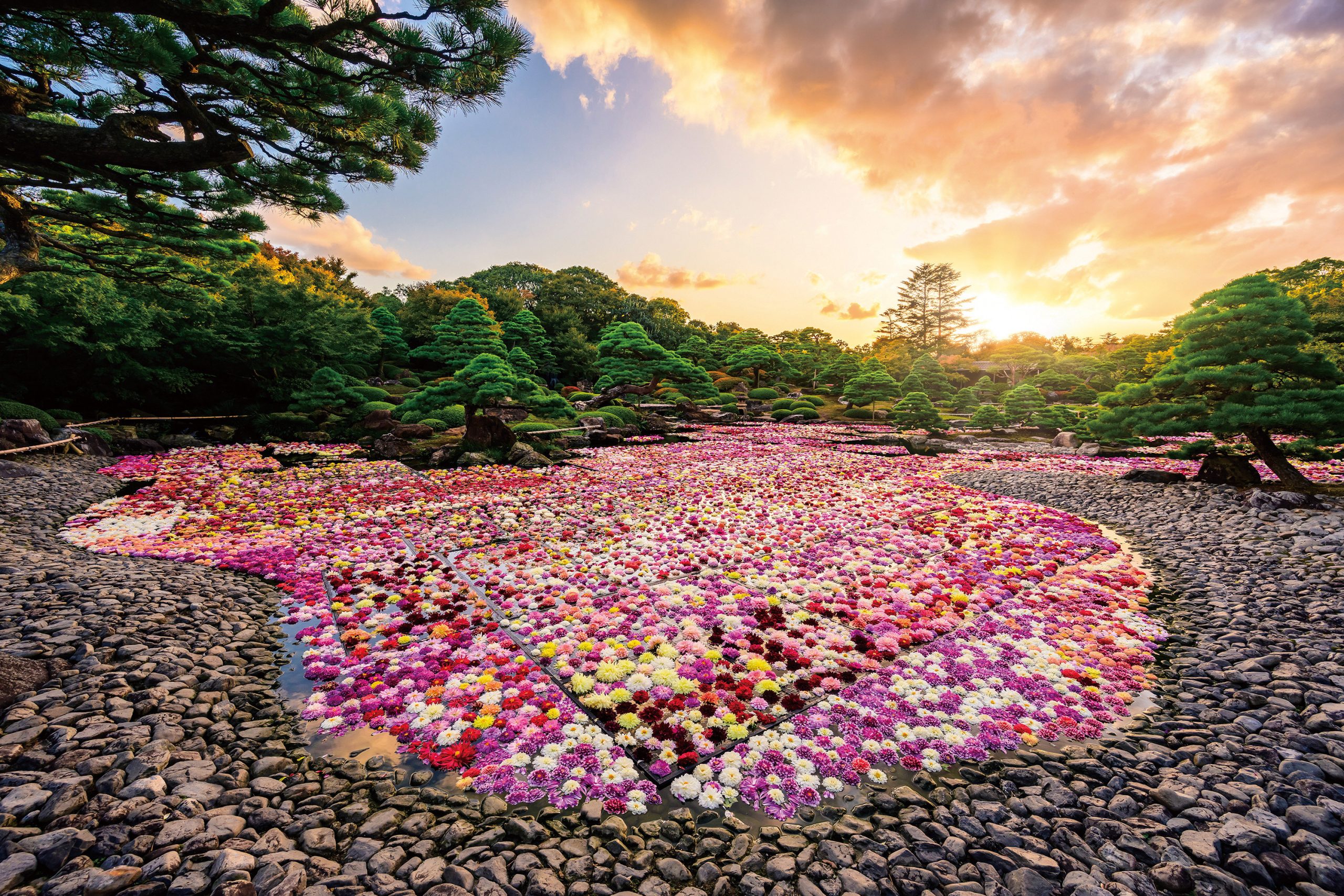
Yuushien, a ‘miniature garden of Izumo’, featuring landscapes and mythology of Izumo area, is a traditional Japanese-styled walk-through garden around ponds. It is located in the centre of Daikonshima Island. Visitors can enjoy prominent peony flowers which can be viewed all year round as well as the many colours of the various seasonal flowers. Daikonshima is globally renowned as a growing area for Korean ginseng. You can also try a free-tasting of ginseng tea at the ginseng office that was restored from the Edo period. Come and experience the long cultural history of Daikonshima. Japanese Peony and Korean Ginseng Village.
Shimane Prefecture is an oasis for onsen (hot spring) lovers and beginners alike. It is dotted with charming towns offering authentic onsen experiences that are off the beaten path of foreign tourists to Japan. The hot spring waters here stand out from the rest in Japan for their uniquely beautifying properties that have earned Shimane its nickname of “the prefecture of beautiful skin.” During your stay, do as the Japanese do and don a colorful yukata robe as you go onsen-hopping. Round out your trip with shopping for cosmetics and crafts, refreshment in cute cafes, photo-taking amidst picturesque scenery, and cultural excursions.
Theme park with birds, flowers and protection from the elements
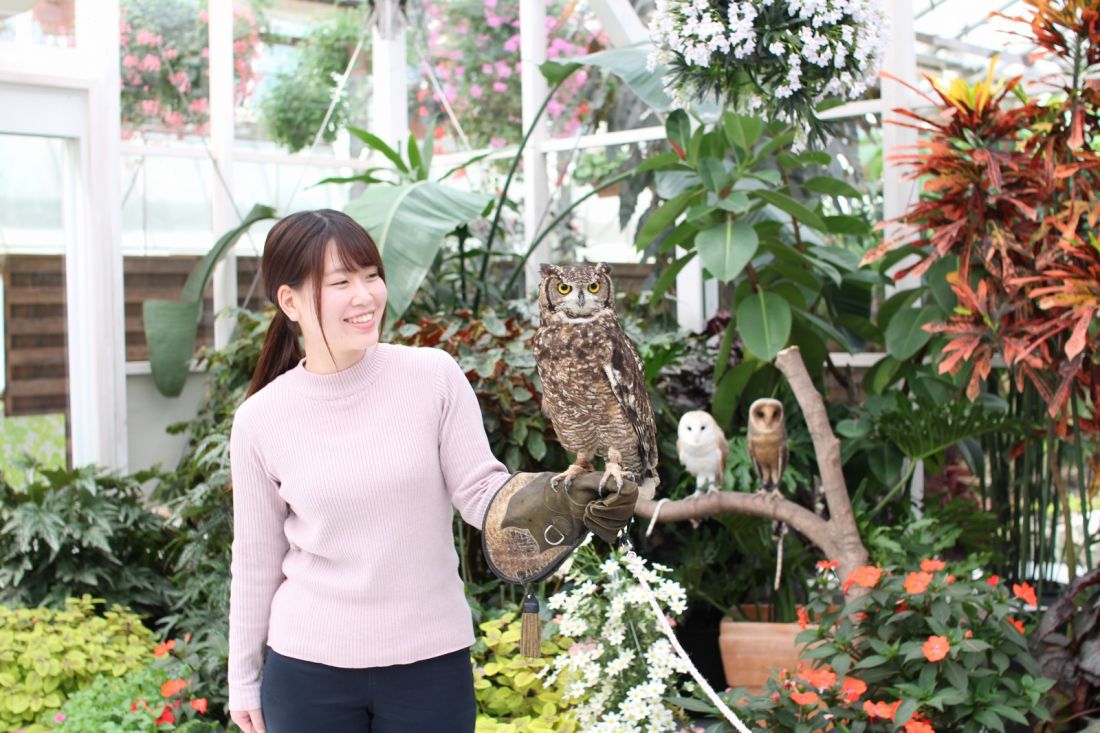
A paradise of birds and flowers along a beautiful lakeside of Lake Shinji, Matsue Vogel Park offers great fun whether rain or shine with its walking course around the park completely covered by a roof. They have one of the largest flower greenhouses in Japan. Inside the greenhouse, focusing on begonia and fuchsia, about 10,000 flowers are in full bloom all year round. In the bird section, visitors can encounter 400 birds of 90 species such as rare owls, adorable cute penguins and other bright and colourful tropical birds.
A winery where you can enjoy a winery tour and barbecue
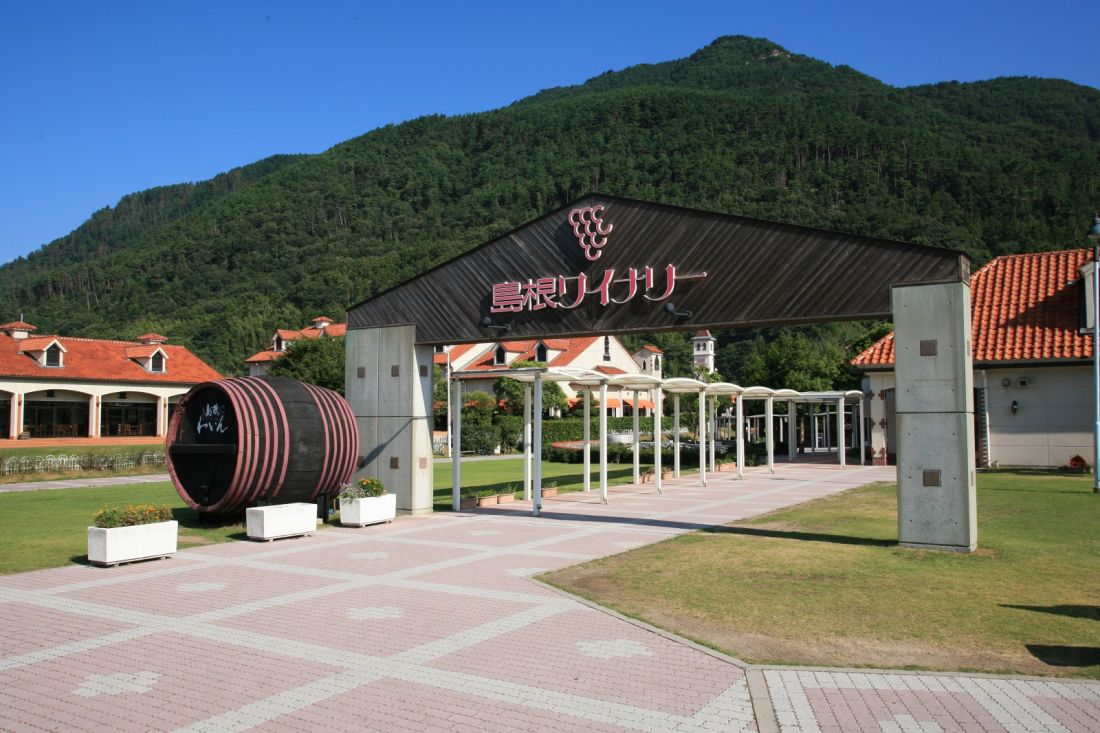
Shimane Winery is a popular winery where visitors can casually enjoy a winery tour, and it is also close to Izumo Taisha. The brick-colored roof is a symbol of the winery, and the white-walled, southern European-style buildings are particularly eye-catching. Inside the winery you can look around the wine production facility itself, free of charge, and you can also try free tastings of Shimane Wine at Bacchus, a tasting and spot sales house. The grape juice is recommended for those visitors who are not interested in sampling the wine. This delightful system lets you compare the wines before buying them. Bacchus also sells local specialties from the prefecture that go well with wine. At Chateau Misen, the winery’s barbecue house, visitors get to indulge themselves with a barbecue that centers on Shimane Wagyu Beef, accompanied by Shimane Wine. At Chardonnay, a bistro and cafe, and at Une Berge, you can relax on an outdoor cafe terrace while enjoying a coffee or a Kyoho grape-flavored soft serve ice cream.
Congregation of the gods, blessed with the power of en
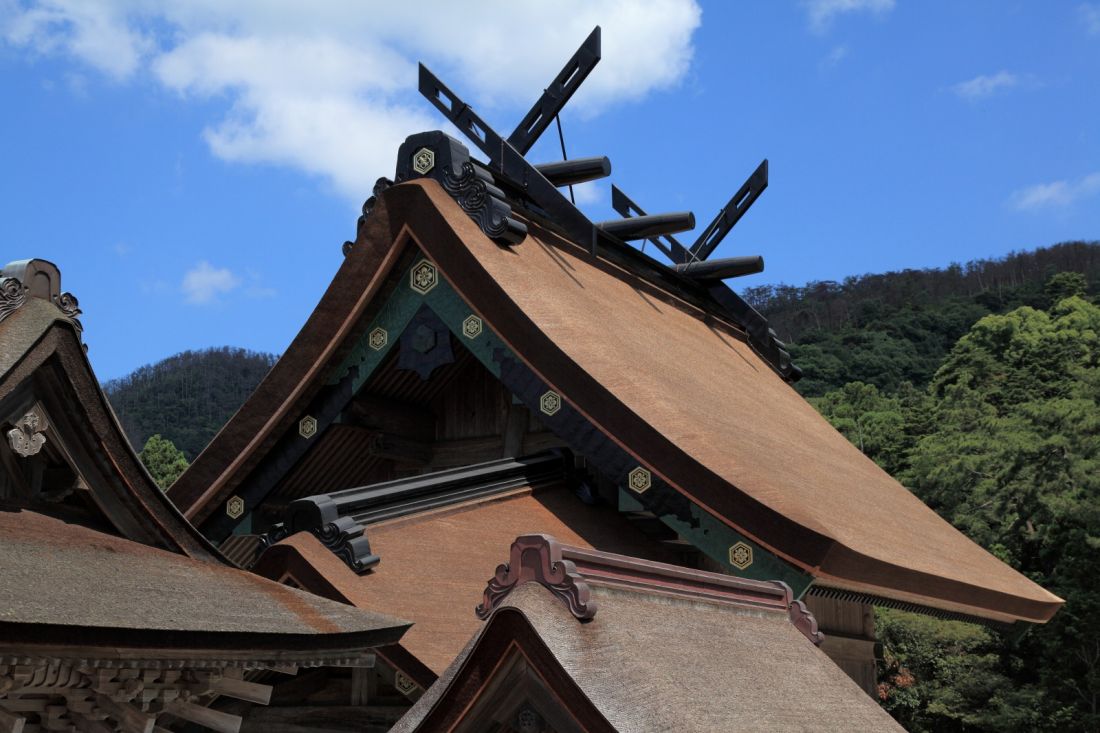
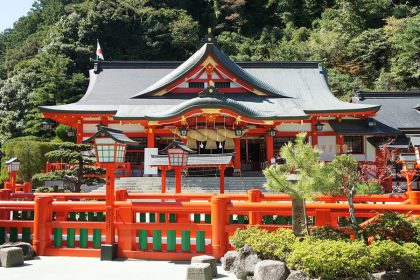
Dedicated to the Shinto god of “en” (the ties that binds us together) Okuninushi-no-Okami, Izumo Taisha Grand Shrine is one of the oldest and most venerated shrines in Japan. The main hall is constructed in the “taisha-zukuri” style, one of the oldest form of shrine architecture in Japan, and has been designated as a National Treasure. Each year during the 10th month of the Lunar calendar the gods from throughout Japan congregate at Izumo Taisha for their annual meeting. Only in Izumo is this month known as “The Month With Gods.” The “shimenawa” (sacred straw rope) that hangs at Kagura-den (sacred dance hall), weighing an impressive 5 tons, is one of the largest in Japan.
Home to Japan's most beautiful garden and an impressive nihonga collection
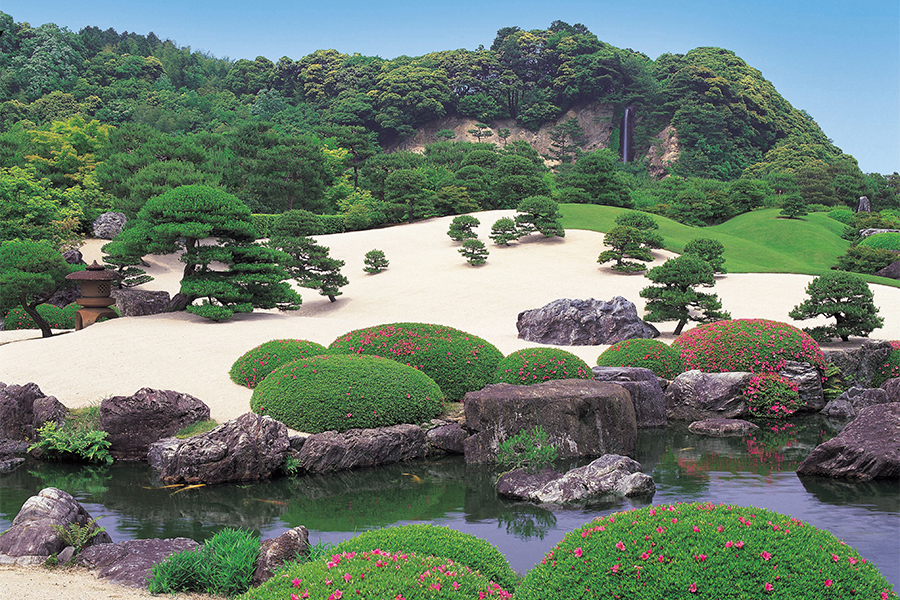
Conveying the harmonized beauty of Japanese paintings and Japanese Gardens is the aim and wish of Adachi Museum of Art, which is best known for having one of the greatest collections of modern to contemporary Japanese arts. Such works of art include numerous masterpieces by the great Japanese painter Yokoyama Taikan, ceramics and 165,000 square-metre Japanese gardens. This museum is listed as a three-star site in the Michelin Green Guide Japan while Adachi’s spectacular and immaculately maintained Japanese Garden have been ranked at No.1 in a row since 2003 by Sukiya Living Magazine : The Journal of Japanese Gardening. You can appreciate the splendid beauty of their gardens which show a different appearance as time / days / months / seasons change.
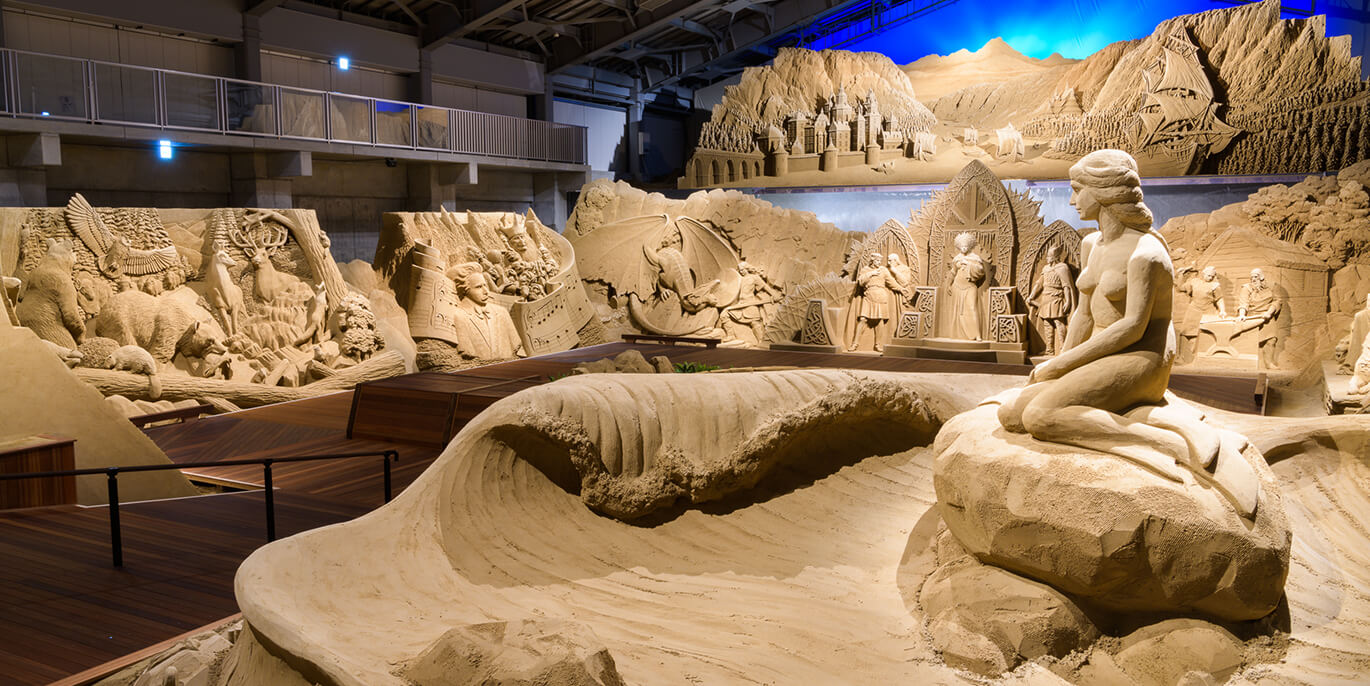
The Sand Museum at the Tottori Sand Dunes is the only indoor sand sculpture exhibition museum in the world. Every year, sand sculputors from around the world are invited to sculpt sand masterpieces following a theme that changes every year. All artwork is temporary, making your visit a once-in-a-lifetime experience with sand.